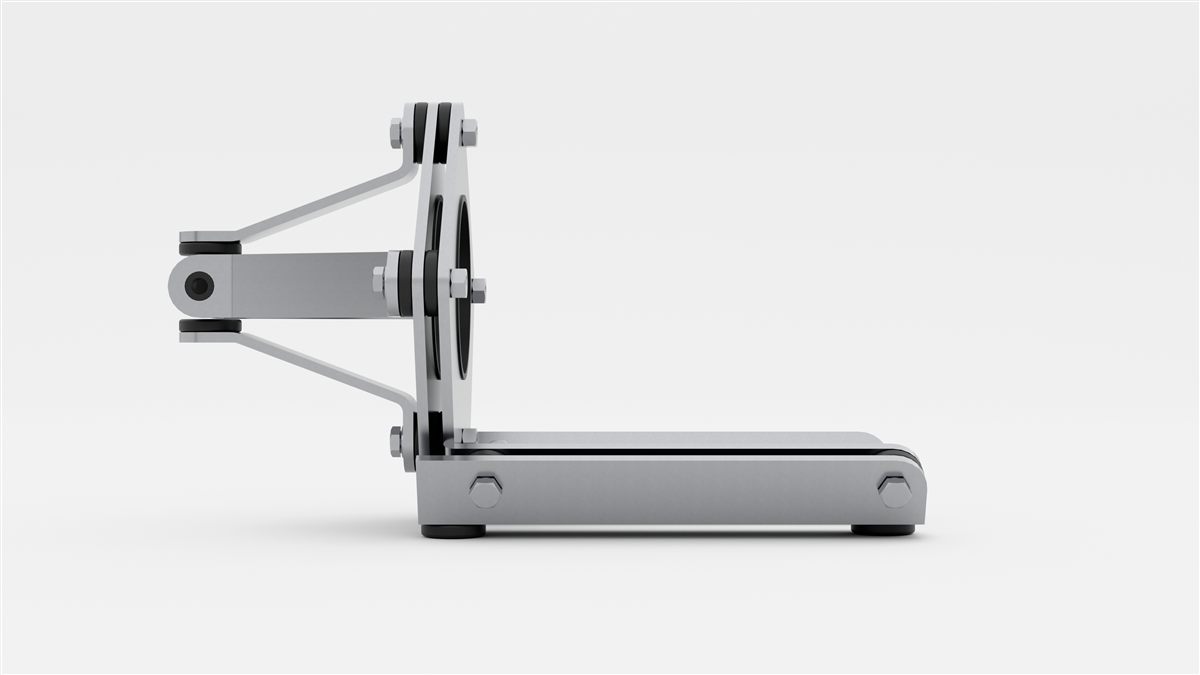
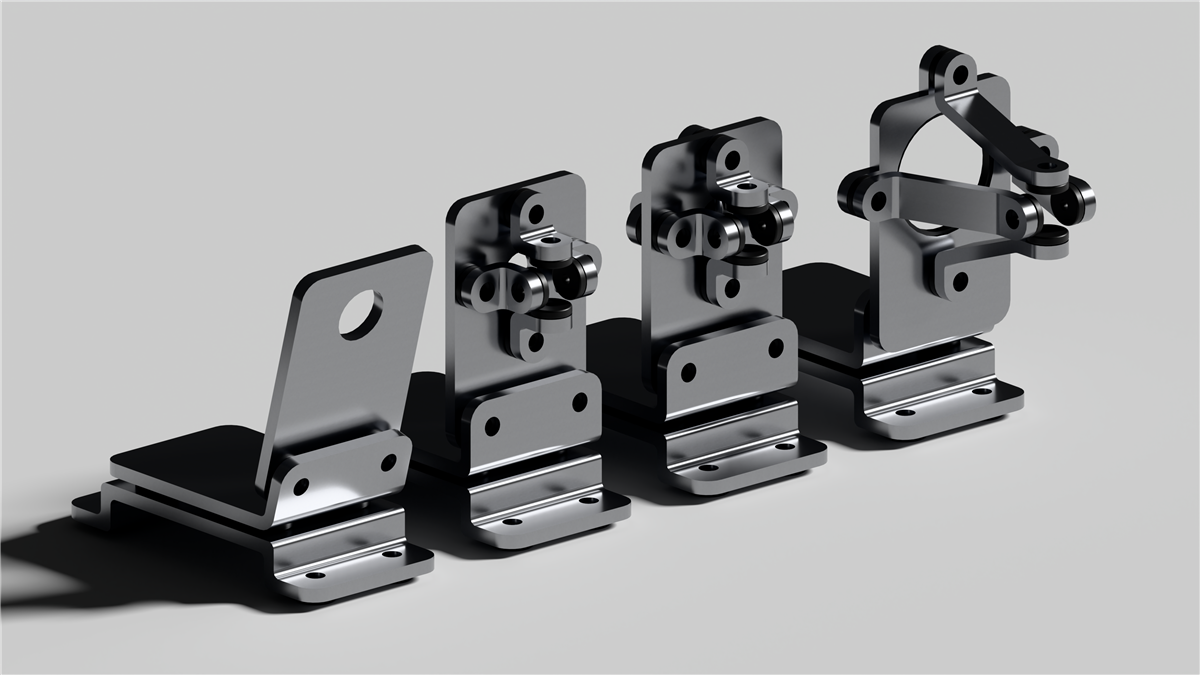
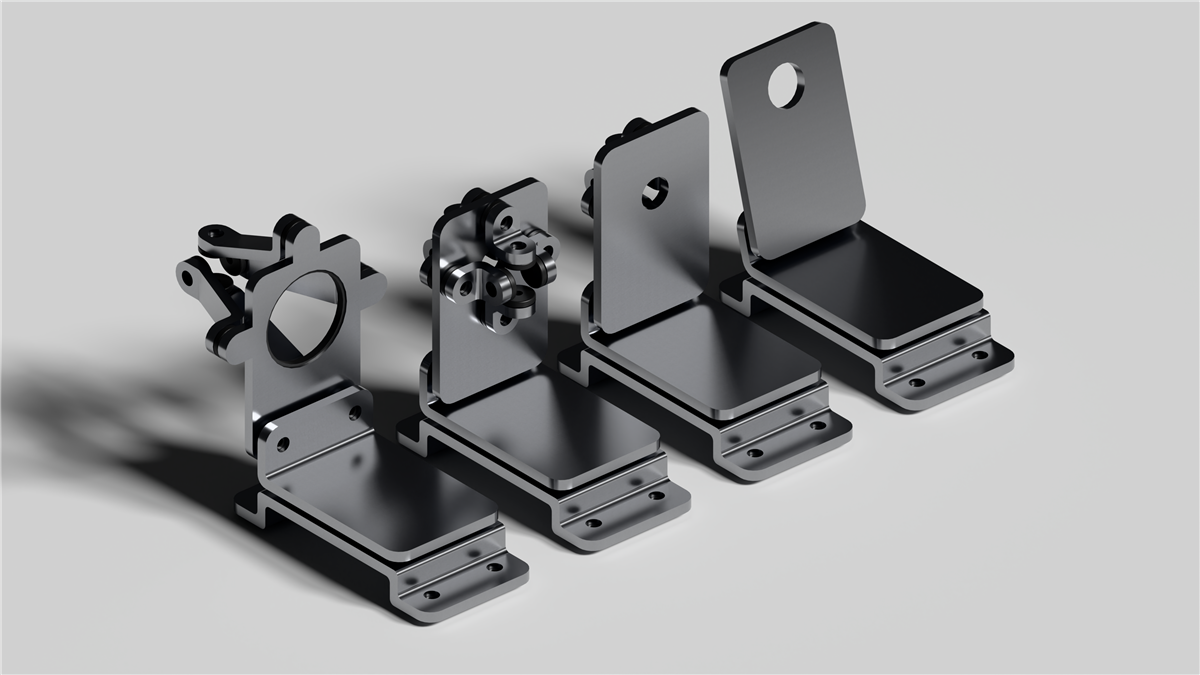
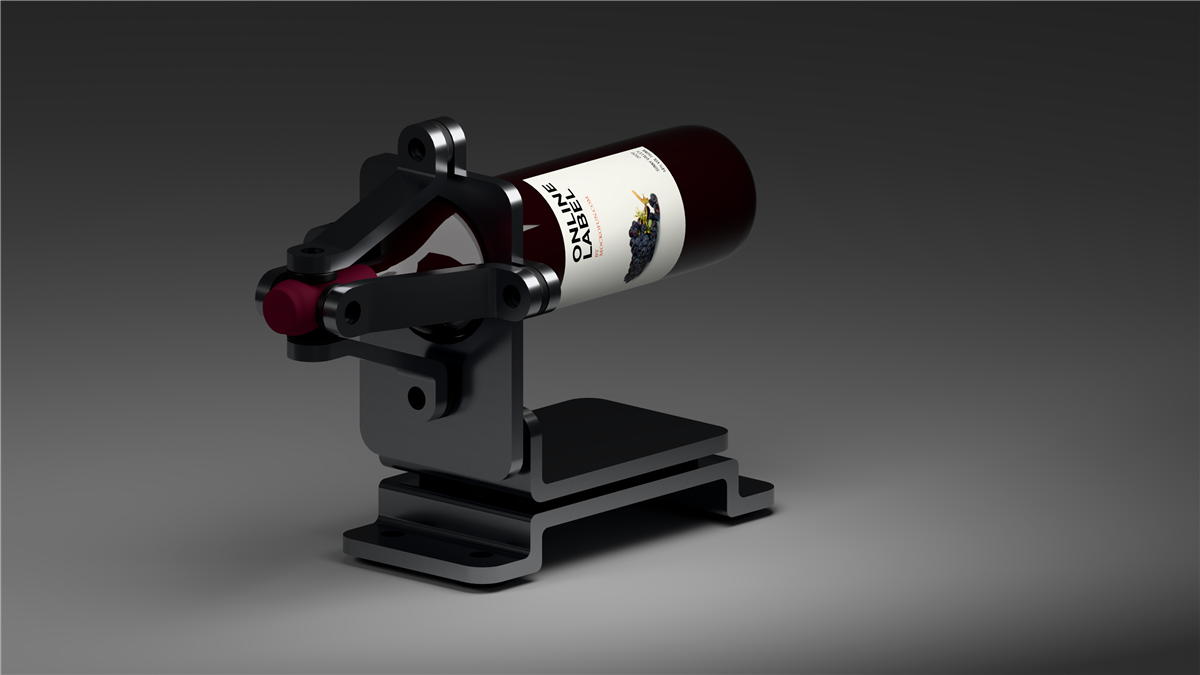
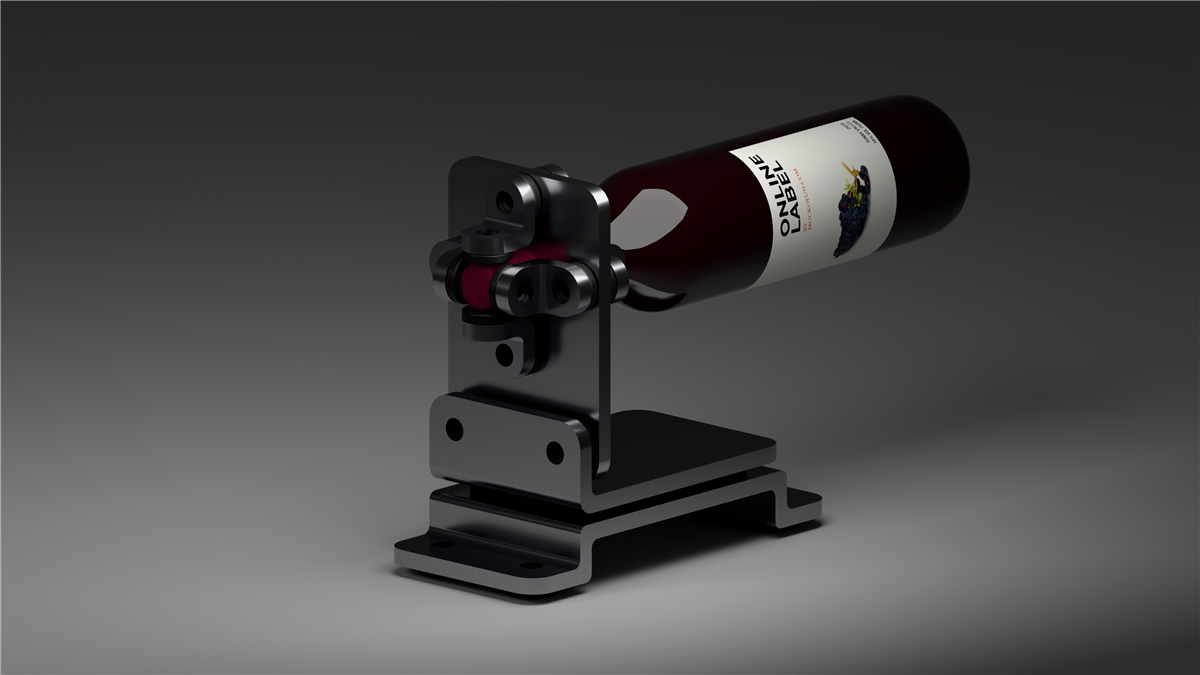
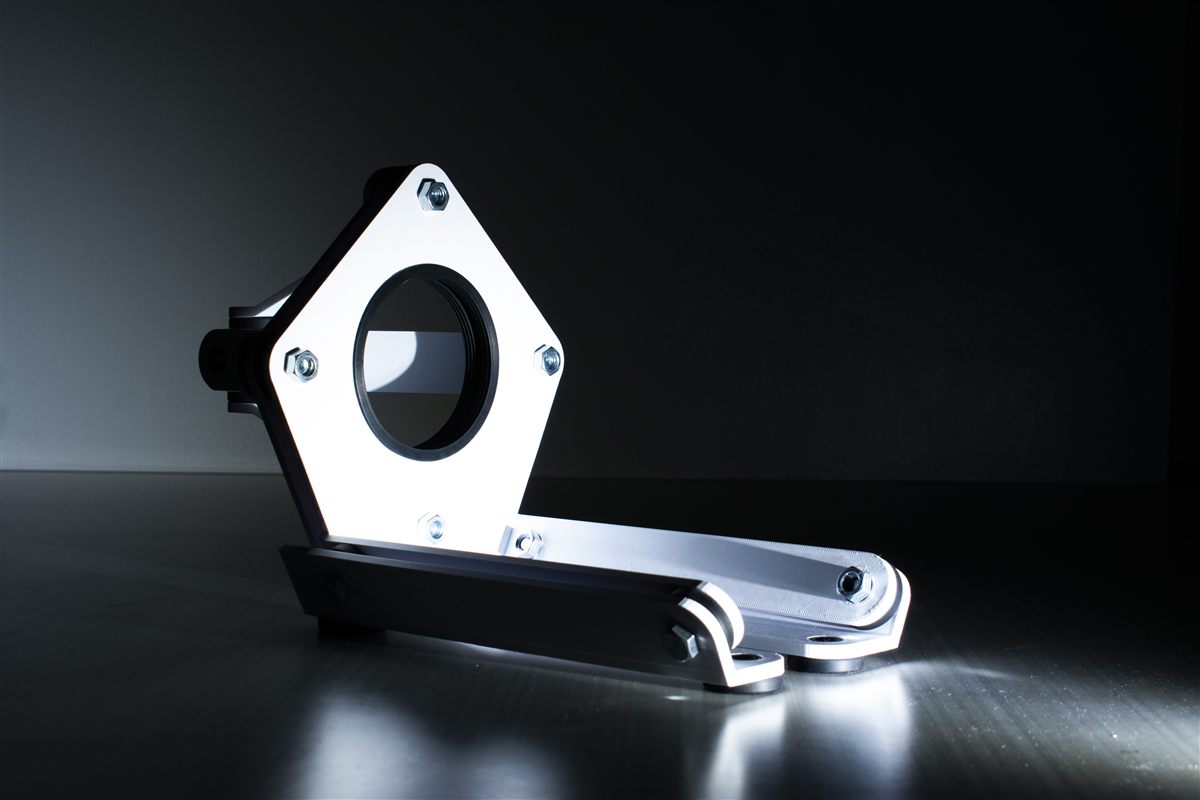
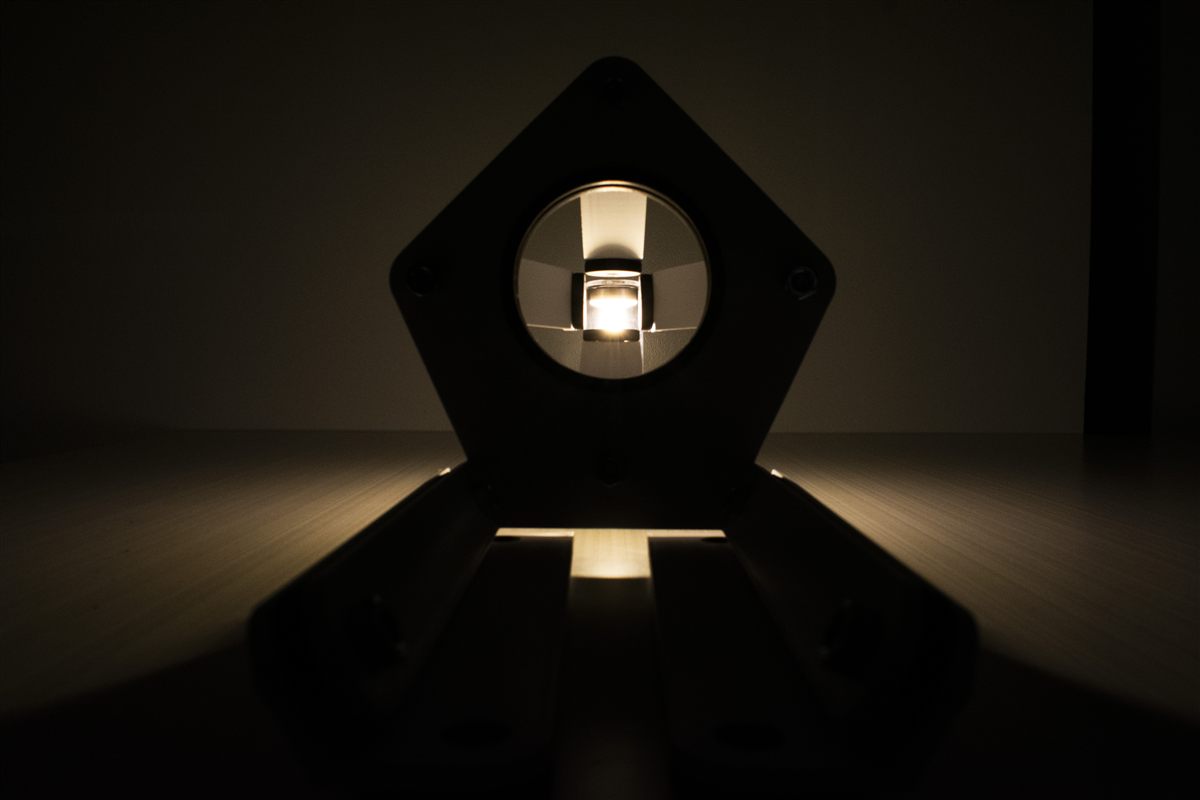
The Wine Display is an industrial-grade product design project focused on recontextualizing high-value items through the lens of mechanical utility. Drawing inspiration from heavy machinery and standard equipment design philosophies, the display is engineered to treat a single wine bottle as a critical piece of technical hardware.
The latest iterations focus on maximizing structural integrity and visual weight, transitioning from a simple bracket system to a fully integrated, heavy-duty housing.
Ground Plane Stability
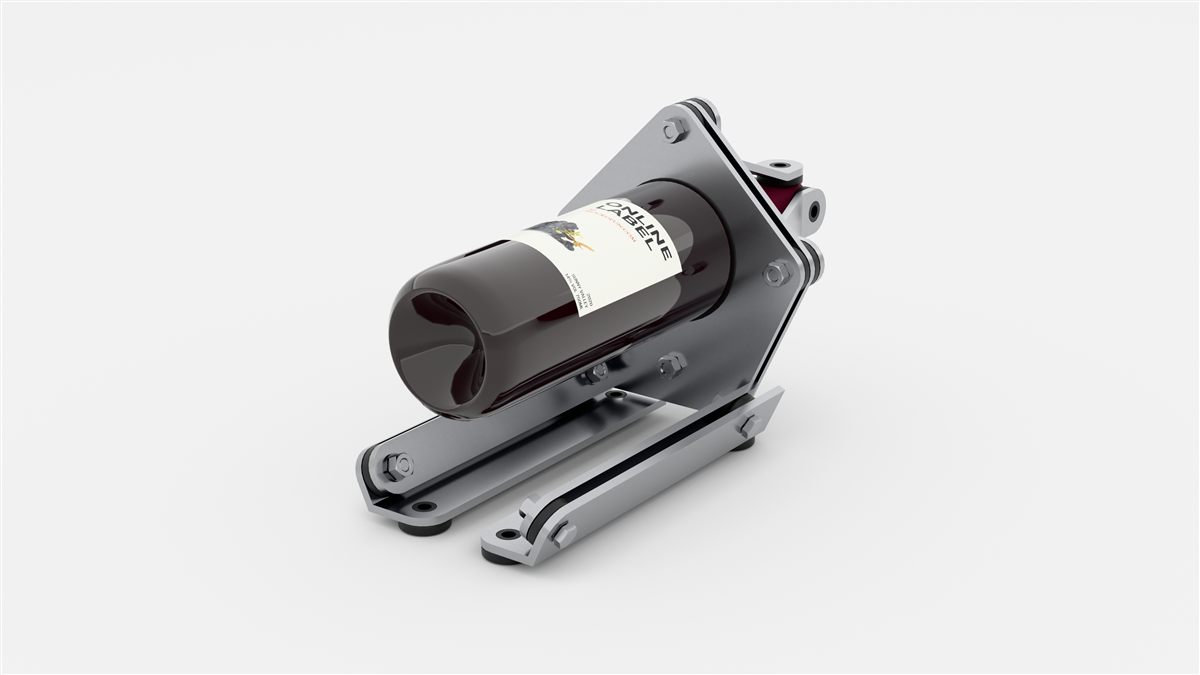
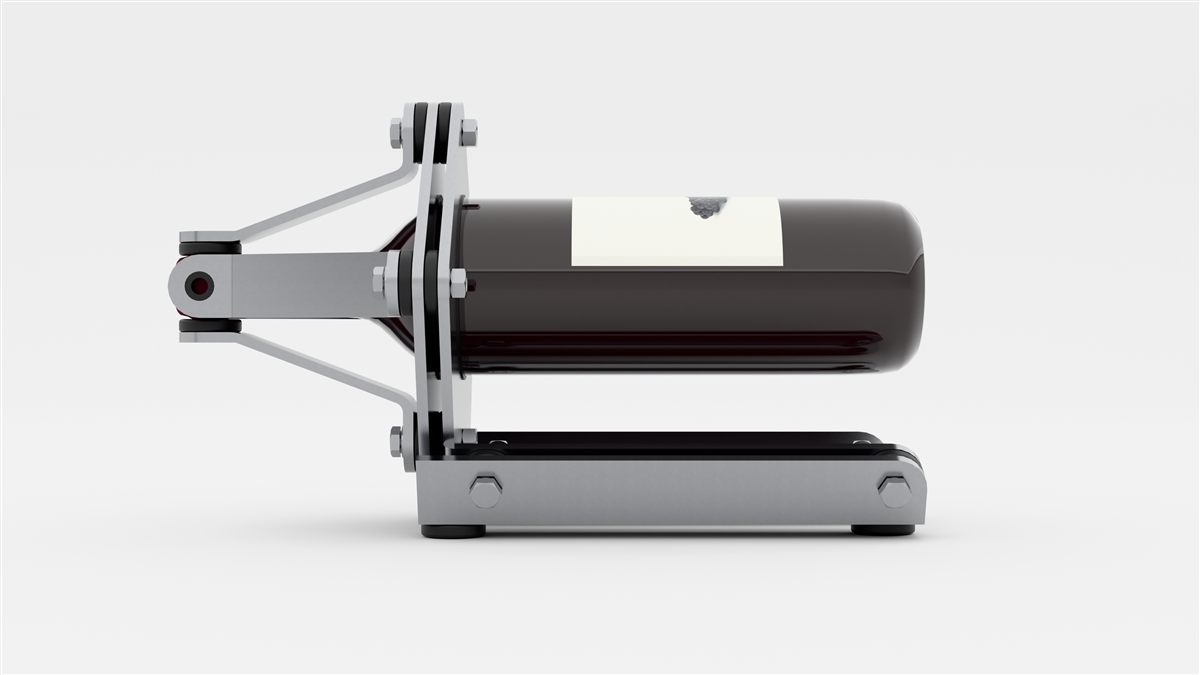
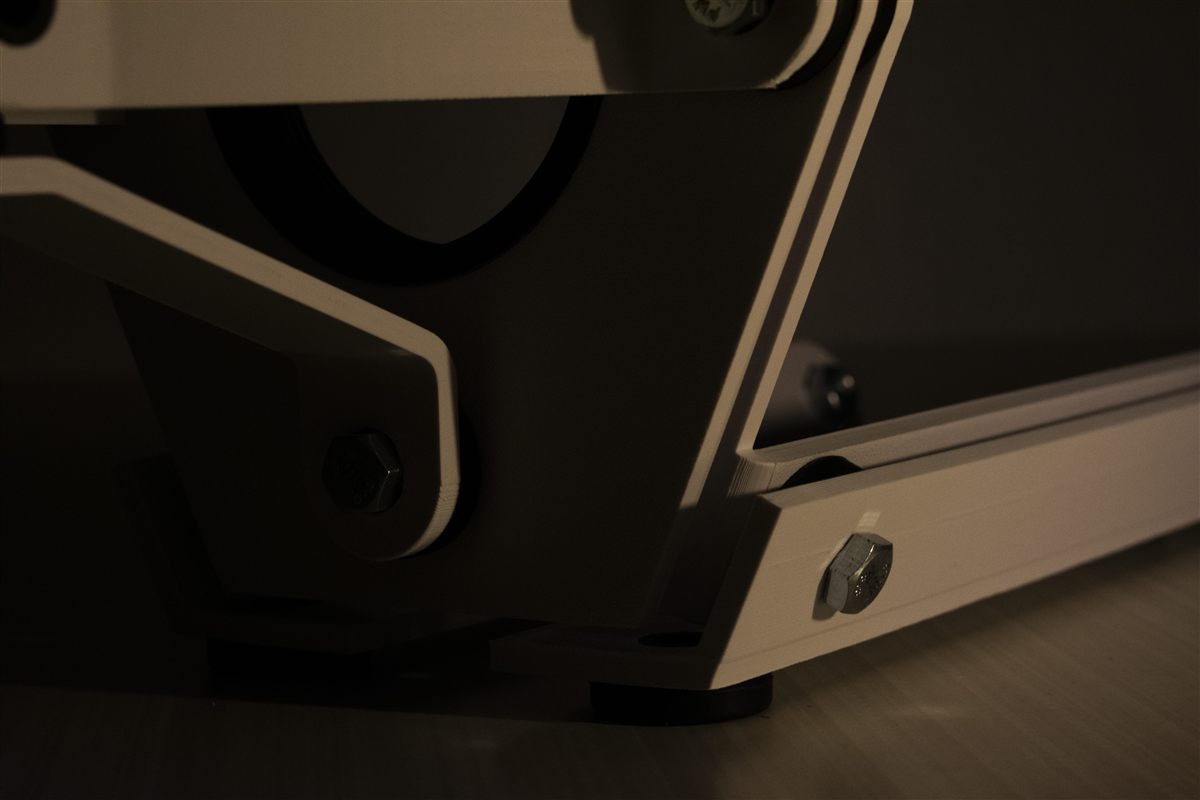
Increased the overall surface area of the base, utilizing wider footings and rubberized contact points to ensure a secure center of gravity.
Integrated Housing
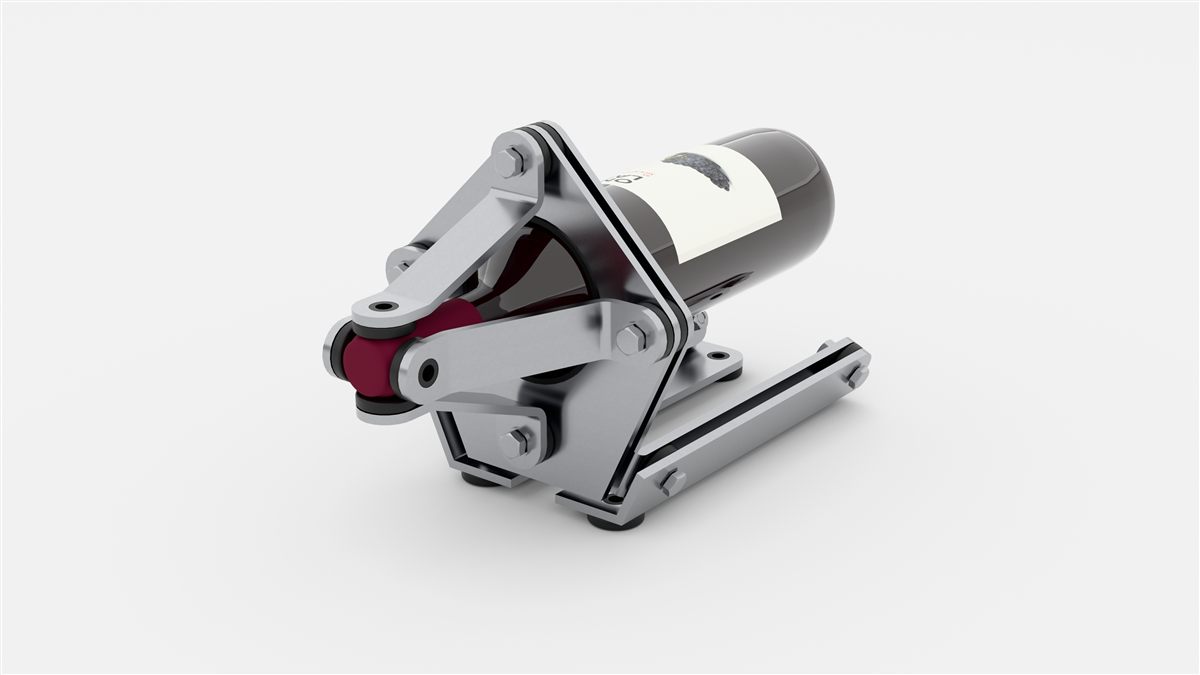
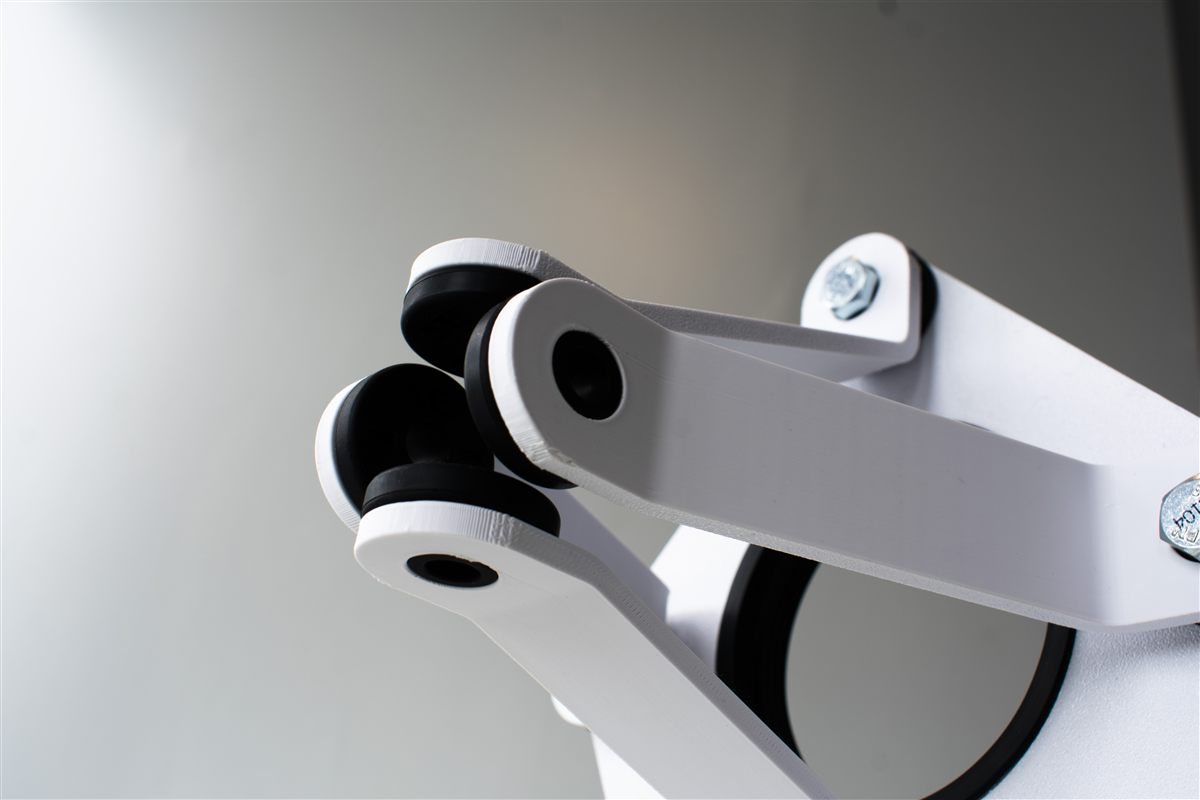
Redesigned tertiary brackets into a singular, unified form, allowing the bottle to sit within the machine rather than merely upon it.
Dual-Plate Stacking
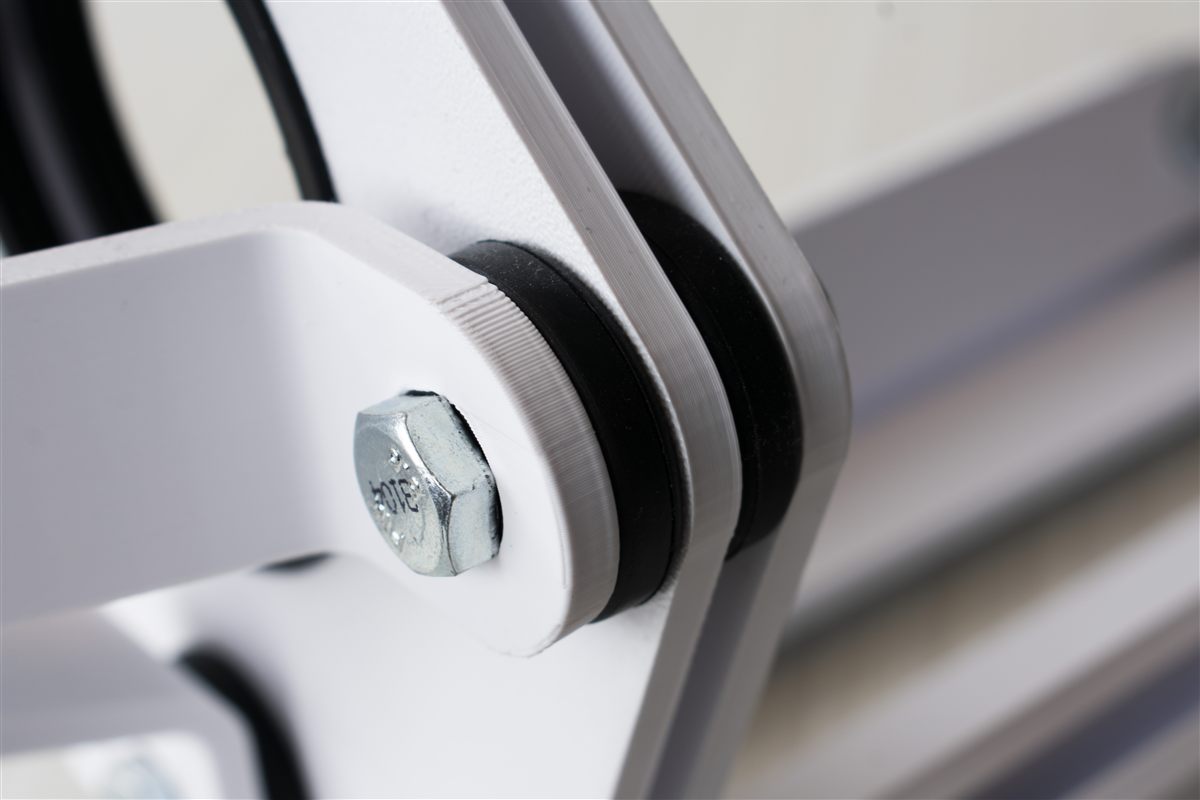
Adopted a double-plate construction method for the primary vertical supports, adding both lateral physical stability and a deliberate over-engineered visual aesthetic.
Volume Accentuation
Adjusted the base geometry to cradle the bottle's volume, emphasizing the value of the content through protective, heavy-metal framing.
The Design Challenge
The primary challenge was visual weight versus functionality. The display needed to feel immovable and standard without obstructing the bottle label or making it difficult to access.
The Solution:
Mechanical Framing: By using open-frame vertical plates, the standard equipment aesthetic is maintained while keeping the bottle's 360-degree profile visible.
SE Philosophy Alignment: Every bolt and bracket is exposed, celebrating the assembly process and ensuring the product aligns with the rugged, transparent nature of industrial tools.
Reflections
This display represents a culmination of industrial design principles: stability, modularity, and a raw, unyielding aesthetic. By stacking plates and unifying the bottle’s housing, the piece moves beyond a "stand" and becomes a "cradle"—elevating a consumer product into a piece of tactical equipment. It is a testament to the belief that the value of an object is reflected in the strength of what holds it.