TINDER

Made using

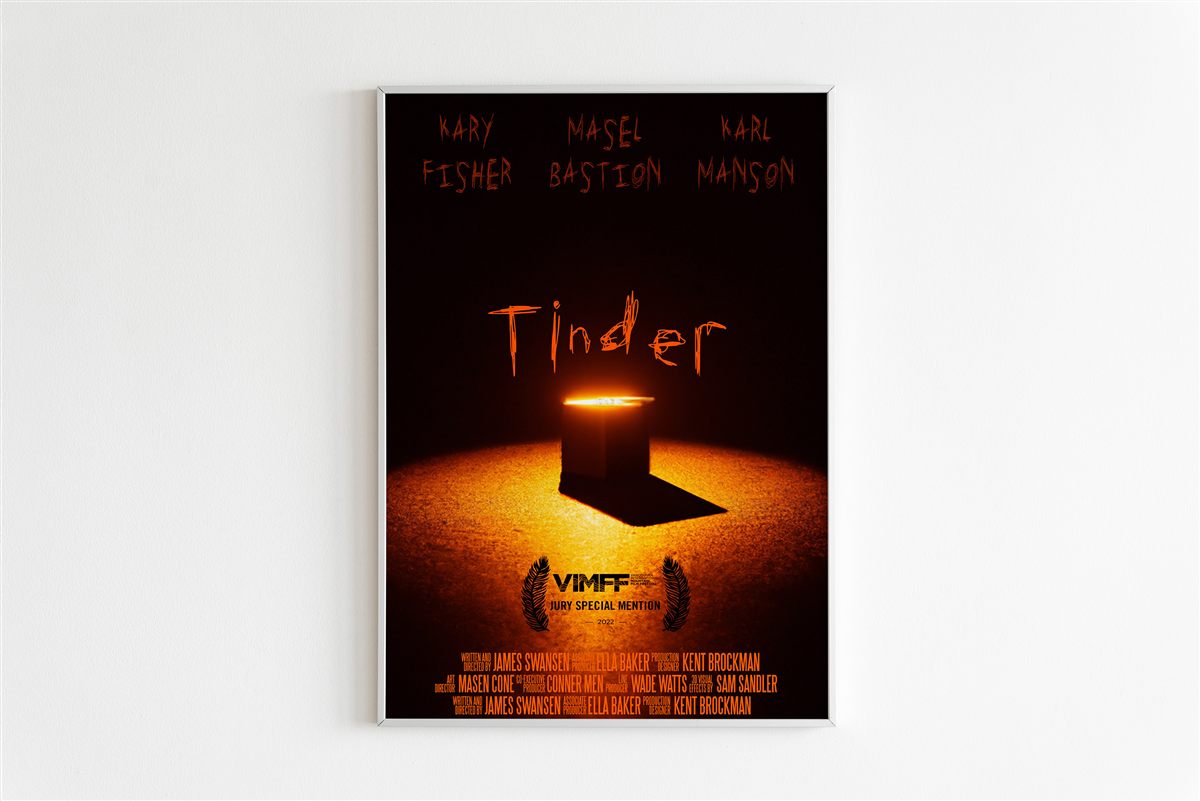
Tinder poster presentation board

Overview

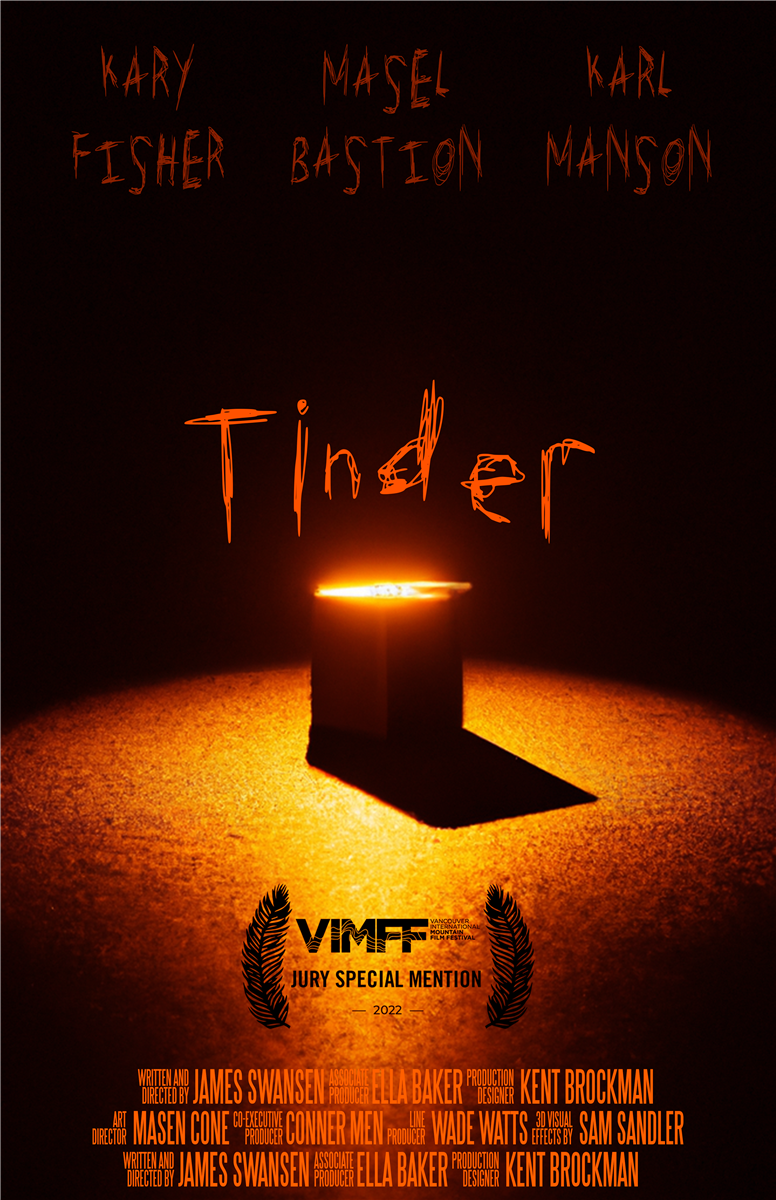
Tinder is a conceptual film poster that reinterprets Hans Christian Andersen's classic fairy tale, "The Tinder Box," through a modern folk-horror lens. Moving away from the whimsical elements of the original story, this design focuses on the macabre implications of the "magic" item, the light that summons powerful, otherworldly entities. The poster serves as a visual exercise in building tension through minimalism, lighting, and visceral typography.
Tinder poster tone and color study

The Design Challenge

The primary challenge was Recontextualization. I had to take a well-known, relatively "safe" fairy tale and communicate a sense of dread without using overt gore or monsters.

The Solution:

  • Isolation over Exposition: By placing the box in a void-like environment, the design relies on the viewer's imagination to wonder what is lurking in the darkness around the light.

Color Psychology:

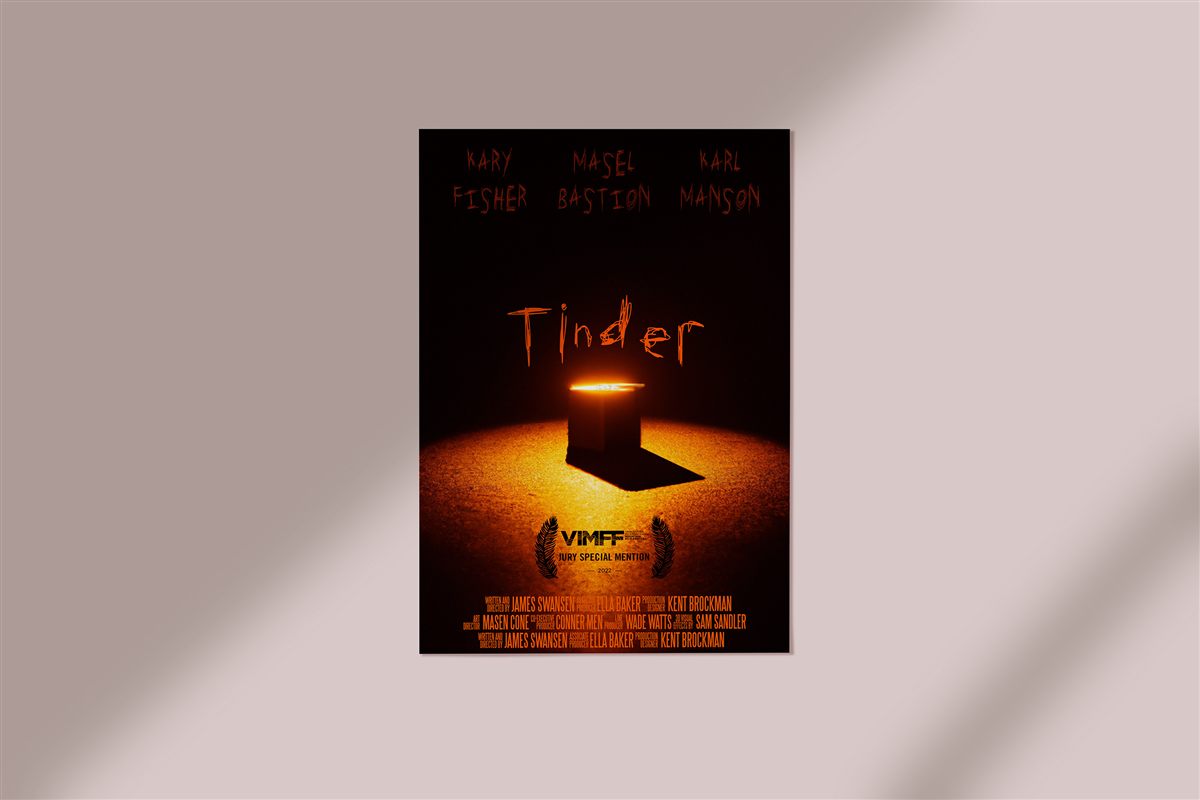
  • The palette is restricted to deep blacks and an abrasive, fiery orange. This reinforces the "fire" theme of the tinder box while creating a high-contrast, predatory visual mood.

Core Pillars & Elements

Atmospheric Lighting

A singular, harsh top-down light source creates long, dramatic shadows and a "pool of light" effect that isolates the tinder box as the central cursed object.

Typography

Hand-scratched, aggressive title lettering that mimics a frantic carving, contrasting with the professional, clean industry billing block at the bottom.

Texture & Grain

A heavy film grain and gritty surface texture applied to the ground to evoke the feeling of a low-budget, 70s-era psychological horror film.

Visual Hierarchy

The composition utilizes a "darkness-first" approach, forcing the viewer's eye toward the small, glowing subject in the center before moving to the unsettling credits above.

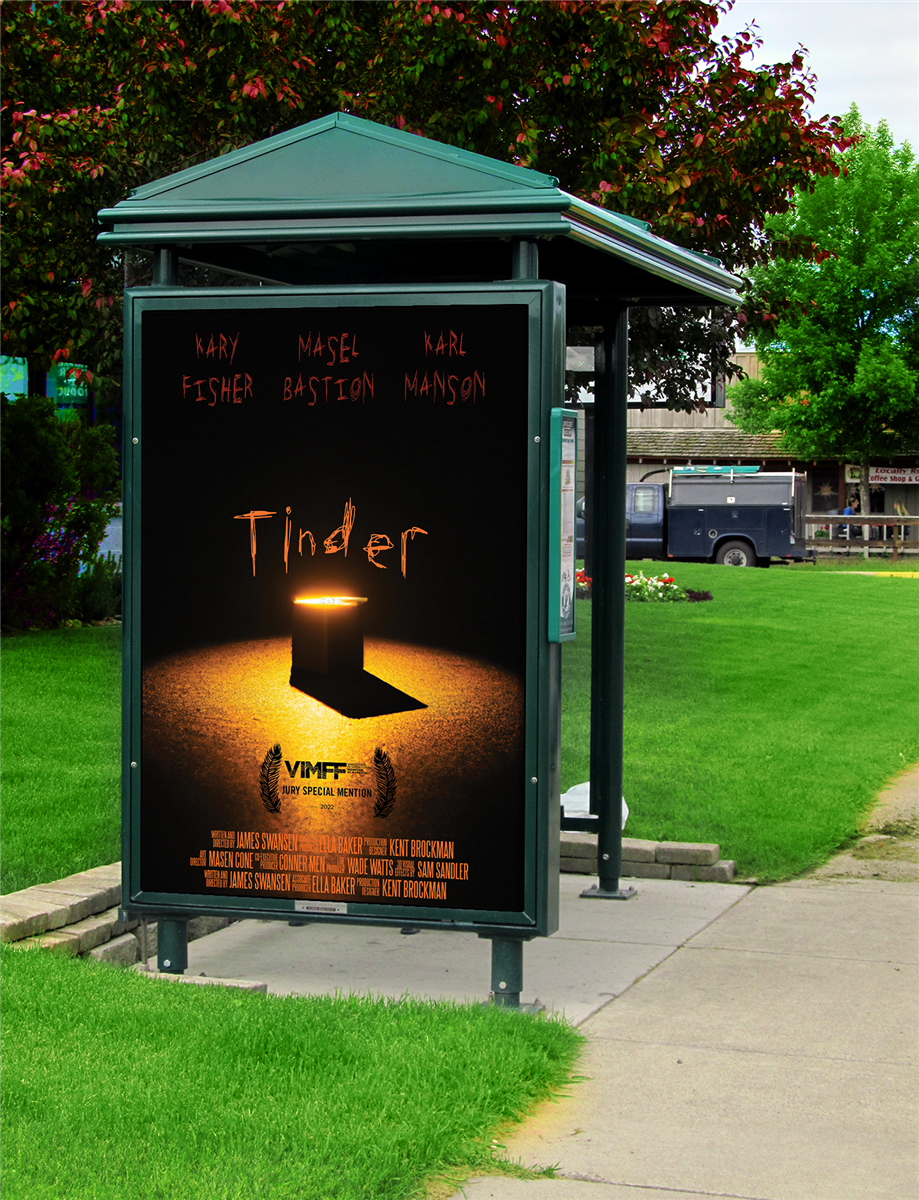
Tinder poster bus stop mockup
Tinder final poster

Reflections

This poster demonstrates how traditional storytelling can be subverted through atmospheric design. By stripping away the secondary characters and focusing on the catalyst of the story the box itself the piece achieves a sense of looming, inescapable fate.